Terpenes explained: why aroma tells you more than a THC number
Potency tells you dose per gram; terpenes shape how a flower is described. A working guide to the main aromatic compounds, what the entourage evidence actually supports, and how to read a terpene panel.
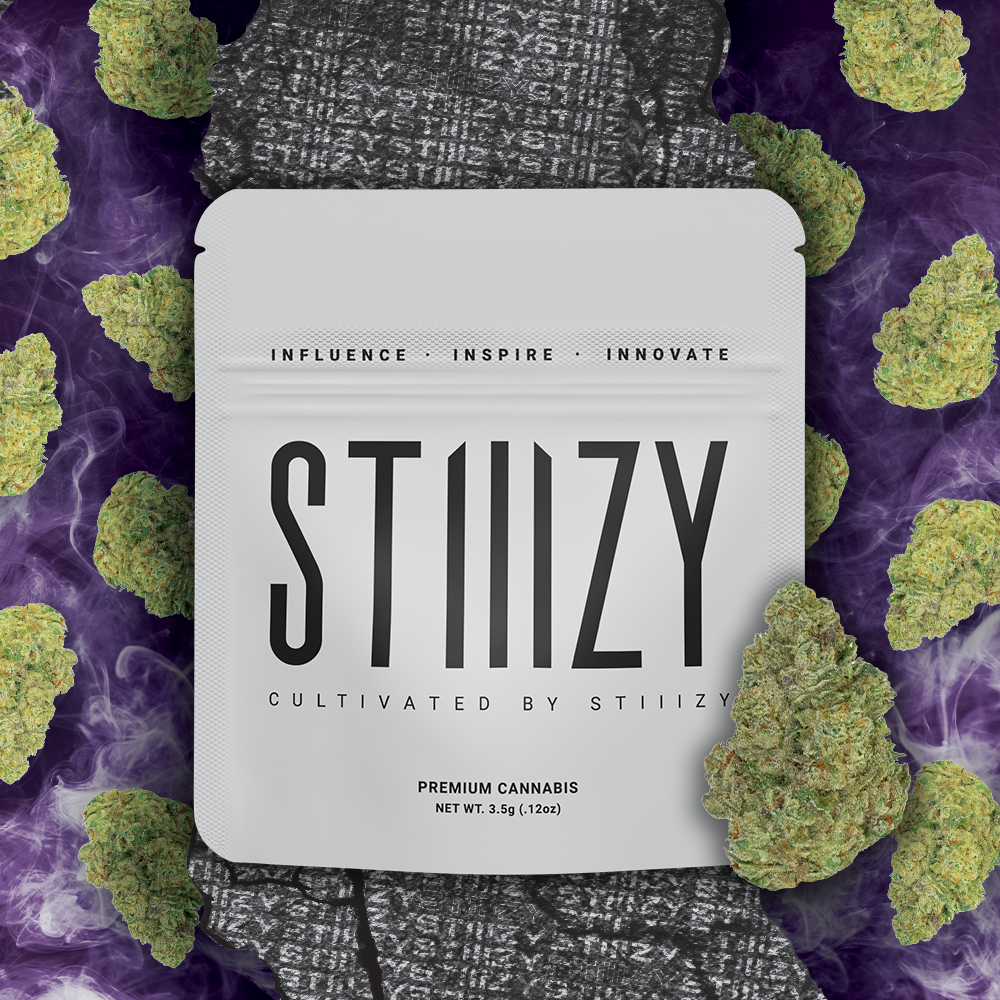
Ask at a counter what makes one flower different from another and the answer almost always starts with a number. Potency is easy to print and easy to compare, which is exactly why it dominates the conversation. The more interesting information usually sits further down the certificate of analysis, in the terpene panel.
What terpenes actually are
Terpenes are volatile aromatic hydrocarbons produced in the resin glands of the flower, the trichomes. Nothing about them is unique to cannabis: the same molecules give hops their bite, citrus peel its brightness, pine resin its sharpness, lavender its softness and black pepper its heat. In the plant they evolved as defence chemistry and as signals to pollinators, deterring some insects while attracting others. For grower and buyer it is simpler: terpenes are what you smell.
Why the THC number is a poor proxy
A THC percentage tells you how much of a single cannabinoid is present per gram. That is dose information, not character information. Two flowers tested at the same figure are routinely described in very different terms by the people smoking them, one as bright and talkative, the other as heavy and quiet. Those accounts are reported experience rather than measured outcomes, and they have not been evaluated by any regulator. The pattern is consistent enough that the trade has stopped treating potency as the whole story.
Aroma is data, not marketing. It is the one part of a flower's chemistry you can read without a laboratory.
The terpenes you will meet most often
- Myrcene — earthy and herbal with a musky, fruity edge; the same terpene found in hops and in ripe mango, and usually among the most abundant in cured flower.
- Limonene — the smell of freshly zested citrus peel, and one of the profiles most commonly described as bright.
- Beta-caryophyllene — peppery and woody, the compound that makes black pepper smell like black pepper. It is pharmacologically unusual: a dietary terpene that interacts with the CB2 receptor, which is a statement about its chemistry and not about what it will do for you.
- Alpha-pinene — pine needles and fresh resin, shared with conifers and with rosemary.
- Linalool — floral and faintly sweet, the dominant note in lavender and also present in coriander seed.
- Terpinolene — fresh and layered, somewhere between apple, herbs and pine.
- Humulene — dry and hoppy, structurally close to beta-caryophyllene and familiar to anyone who has opened a sack of brewing hops.
Interaction, and how easily it is lost
The entourage effect is the hypothesis that cannabinoids and terpenes modulate one another, so that whole flower behaves differently from its isolated parts. It is a serious hypothesis with genuine laboratory support, since several terpenes are pharmacologically active in their own right, but it is not settled in humans at the doses reached by inhalation, and how much of a fragile aromatic compound survives combustion remains open. Anyone selling certainty on this point is ahead of the evidence.
Terpenes are also fragile in the plainest sense. Being volatile, they evaporate and oxidise, so heat, light, air and time strip them steadily from a jar. Total terpene content in well cured flower sits well under five percent of dry weight and often between one and three percent, which means there is little to lose before a flower smells flat, and the lightest top notes go first. Several terpenes also boil off well below the temperature at which cannabinoids vaporise, which is why low temperature vaporisation tastes so different from combustion.
Reading a panel, and buying with judgement
Many certificates of analysis now list a terpene profile beside the potency table. Read the top three by percentage and let the long tail go, because those three do most of the work in the jar. Keep a short journal of what you liked and what you did not: variety names drift between growers, but a profile led by limonene and terpinolene will smell recognisably like itself wherever you buy it. On a fresh, aromatic jar, trust your nose. It is a better instrument than most people credit.
None of this changes the basics. CaliBudSupply sells to adults of legal purchasing age, 21+ where we ship. Start low and go slow whatever the terpene profile suggests, never drive or operate machinery, do not combine with alcohol, and keep everything locked away from children and pets. Anyone pregnant, breastfeeding or taking medication should speak to a doctor before use. Rules differ by market and change often, so check our legal status by country page for what applies where you live.
These statements have not been evaluated by any medicines agency. Products are not intended to diagnose, treat, cure or prevent any disease. Keep out of reach of children. Use only where lawful.